Posted in 'Tis the Season, Homemaking, Hurricane, Power outage, Safety

To Florida with Love: 30 Survival Tips…

This is too little, too late, I know, but if it can help someone in Florida to survive, it will be worth every moment it takes to post.

Or to read.

I found this on facebook, with an encouragement to “please share”, so here goes:

  • Start running your ice makers TODAY. Bag the ice. Fill the space between your freezer items as much as you can. A full freezer stays colder longer than one with empty spaces. And besides, you may need that frozen water in the form of water in the near future.
  • Freeze regular tap water for pets, cleaning, or drinking. Use Tupperware-type containers. REMEMBER to leave a small bit of space between the top of the water and the lids so the ice expands but doesn’t crack the container.
  • Start using your perishables TODAY to make more room for ice in the freezer.
  • Another tip of freezing water in gallon baggies—they can fit upright in the freezer well and you can thaw as needed.
  • Sanitize at least one bathtub and fill with water 24 hours before the storm hits. BUT TODAY MEANWHILE make sure your tub will hold water through a storm. YOU MIGHT THINK YOUR TUB HOLDS WATER but a 20-minute bath is not the same as keeping filled for several days. Fill it with about 2 inches of water and check on it after a couple of hours. If the water is lower, replace your stopper and try again, OR fill several plastic totes/bins with water & keep them in the tub or a secure low-traffic area of your house. (Or seal the drain with plastic wrap, a plastic baggie, and duct tape for good measure.)
  • SECURE ALL FIREARMS and AMMUNITION PROPERLY.
  • Gas up all vehicles and check tires and oil TODAY. Gas up all gas cans.
  • Get cash TODAY from ATM. Enough to get you through tolls and out of town to get supplies and more gas later. Call your bank if you plan on leaving the state so they don’t freeze your card for out-of-area “suspicious” transactions.
  • Screenshot or scan and send to your own email all of your important documents. Put originals in sealed bags or plastic bins. Think about sending second copy to friend or family who do not live in your area.
  • Stock up on pet and livestock food and supplies. Have your animals’ records handy in case you need to shelter them at a storm-safe facility.
  • Share evacuation plans with family and friends so they know where you will be. Have second location ready and known to all, in case first plan fails.
  • Store family heirlooms and photos in plastic bins in a high place, second floor, attic, or safe room if you can’t take them with you.
  • Keep old rags and beach towels on your stormside windowsills. Even with the best windows and shutters, water seeping from the horizontal wind pressure happens. A few soaked towels are better than soaked floors or drywall.
  • I also advise duct-taping windows and door frames to prevent water seepage. Windows are NOT made to withstand horizontal rain. While you are at it, buy some sturdy tarps—you may need them.
  • Shutter windows and doors and bring everything outside into your garage or house TODAY. Do not wait until the day before. Better to get done early and relax than wait until its too late, ESPECIALLY IF YOU ARE MANDATORY PERSONNEL (health care worker, emergency worker, or first responder). Remember that EVERYTHING is a potential projectile in hurricane-force winds. As long as you are out there, check for any weak or low hanging branches that are too near your house, windows, etc., and take them down now.
  • If you own greenhouses, remove plastic sheeting now. Better to destroy sheeting that to loose the entire structure (built like a box kite) in these winds.
  • If you don’t already have your hurricane supplies (non-perishable food, non-electric can opener, paper plates, lamp oil, etc.), get them TODAY. Shelves are already empty in some places.
  • Back up important computer files on a thumb drive! Place drive in a safe or other water-tight arrangement.
  • Get an advance or a refill on your prescriptions TODAY!
  • Unplug electronics as power fluctuations in high winds can cause damage.
  • If you do evacuate, put everything in your freezer and refrigerator into ice chests. Unplug and prop open your freezer and refrigerator. If you do not, when the power goes out—and it will—you will come home to rotting food and an uncleanable freezer or refrigerator.
  • Before you leave, turn off the MAIN power switch to your house or else you may come home to a fried AC unit because of power surges.
  • Take a shower (while you can) and wash your bedding and all laundry. You don’t know the next time you might be able to.
  • Declutter your living space—in cases of extended power outages, you may be living without a good light source for some time and tripping hazards can be avoided if you take the time to declutter TODAY.
  • Make sure your emergency weather radio is charged up and set to receive the news and information you need. Sign up with local emergency management to receive important warnings via your cell phone. When chemical plants are blowing up because they have lost power for refrigeration, this is the only way you might know to seal your home! More Duct tape!
  • Easily forgotten but as important as all of that—photos or videos of every inch of your house and a list of all belongings of value for your insurance company. Again, email to self and to family/friends.
  • Plastic bins can open during extreme vacuum. Duck tape completely around each bin, in both directions. (Like fancy ribbon around a present forms a “plus” on top and bottom)
  • Scan and email all photos to yourself and to friend or family in safe places.
  • For this hurricane, I’d also try to tie down my car. Cars have been blowing away in the Caribbean. Try chaining axle to a tree?
  • Gather some excellent firewood and store it in a plastic bin, too, along with very securely wrapped matches or lighter. It will help if you are cold and wet, afterwards. Once you get a good fire going in, say, the carport or some other sheltered place, you can add wet wood to it, but you cannot start a fire with wet wood. Also, then you can cook. If you have a fireplace, even better. Raise a pot off the flame with the next pieces of wet wood, or a few rocks or bricks, which are best if dry. Wet ones sometimes crumble or pop…
  • If it’s hot weather, stay cooler with wet clothing, wet towels around neck.
  • Hurricanes also bring tornadoes with them. Usually these are weak funnels that seldom touch, or only touch very briefly. Still, have a tornado plan, too…
  • Pray. Don’t forget to pray.

God Bless You!
Please copy and paste!
 

Posted in Homemaking, Winter, Wisdom

How to prepare for a winter storm watch:

You’ll wish you had thought of everything when it comes

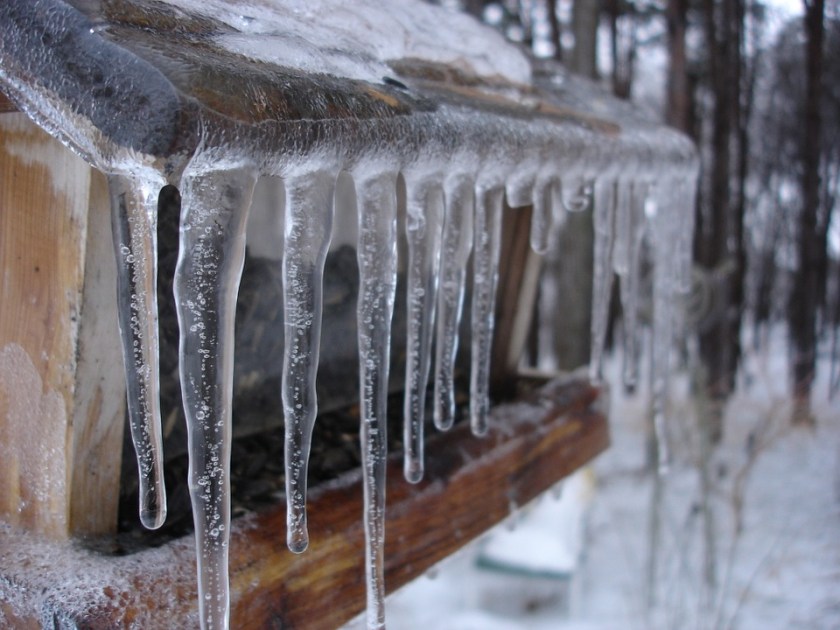
All the joy can be such a burden for the birdies and other lving things!

Winter happens almost every year

Sometimes it can be very stormy. Other times it’s merely a wonderful way to reset the environment. Oh, there’s less sun, but what there is beams directly into our windows, all toasty.

Many of us love to sit and watch winter blow by because, like the ant in the fable, we prepared. The rest of us suffer great discomfort and even death because we did not.

“While the earth remains, Seedtime and harvest, Cold and heat, Winter and summer, And day and night Shall not cease.” (Genesis 8:22, NKJV)

You don’t have to be a prepper to be sensible

This list probably is not complete. I add to it every year. But it will surely help you think and prepare and be sensible and smile. Worrying is not of God, and sometimes we worry because whe do not trust Him. Other times it is because we forget how much He has promised to guide us and how much He has protected us in the past. Read the following and ask Him if this is His way for you. ❤

  • Make sure you have enough foods that do not need cooking unless you have an alternative to electricity.
  • If you have electric heat, obtain another heat source, such as kerosene or fireplace or wood stove.
  • If you have a fireplace, consider cooking in it. You will need covered, long-handled pans because of ash and heat, a few bricks and a grate to elevate pots, and really good potholders. Oh, also firewood, which can be inexpensive when it is not snowing.
  • Rock salt or other means of de-icing porches & sidewalks.
  • Plastic sheeting for over the windshield, if you park outdoors. You will love yourself if you do this. The front doors and wipers help hold it in place. Retired shower curtains are a possibility.
  • More plastic sheeting to seal off drafty windows. It might not look pretty on the inside, but is a lot warmer to install there, in winter. Masking tape should hold it in place, fine. Ugly, but don’t think about it.
  • Prescriptions filled. Don’t run out during an ice storm! Little known secret — pharmacies sometimes can obtain permission to dispense a few extra doses during such emergencies, even though you usually would need to return to the doctor for them. Or call your doctor and ask for a renewal until the thaw.
  • Really good batteries in flashlights. Extra batteries. Candles and matches. Etc.
  • A generator would be nice, with fresh fuel for it stocked up. And make sure you know how to operate it without killing yourself or a lineman.
  • Extra bedding for cold nights. If one room is warm, you can live in it closed off until bedtime, then sleep under many blankets with coats on, and be warm enough. Never underestimate the power of a hat to keep you warm all over. Check children often, in the night, for covers. They can sleep with you, a few nights, and will not be psychologically harmed at all. Really.
  • Water for drinking, if all power is out over a week and the tower is pumped electrically, which most are. Also, if pipes freeze or you have well-water.
  • Watch the skies and think about livestock and pets. They need more feed than usual and some sort of shelter, if only a piece of plywood leaned against a building. Being wet makes them colder and hungrier, and more prone to illness, and they hate eating snow for their drinks. In fact, they love warm water, if you can make that happen. Many creatures benefit from a little sugar added to water during these times. Check with your vet for the sugar-to-water proportions.
  • A bag of wild birdseed, in case your feeder is snowed under. Wet feed in the trough freezes and clogs the feeder. Birds die when they cannot access wild food sources while they are fighting off cold, wet weather. Even if you do not normally feed wild birds, do so, please, when all their normal sources are hidden under snow or ice. Sprinkle it over frozen surfaces so they can see it and ground-feed. Or even just toss out the wilted lettuce and bread crusts for them. They’re starving.
  • If the lights are out, do not open fridge or deep freeze except when absolutely necessary. Check it maybe after two days and if it is too warm, use the outdoors for cooling food. Protect eggs, though, from freezing, or they will break; they are still usable when thawed, but messy. Use this time to completely defrost and clean the fridge, inside and out and under and behind.
  • Make sure all vehicles are filled with gasoline; pumps at gas stations run on electricity. Not all have generators.
  • If all your phones are cellular, you must provide ways for recharging them. If your phone is bundled with the Internet, you will need a cell phone. Vehicles running with an adapter in the lighter socket is an option. Hand-cranked rechargers are available, sometimes. And there are those small batteries that will recharge a phone; make sure yours are charged up.
  • Read about a Hurricane Sandy look-alike during Thomas Jefferson’s days.

Go to the ant, you sluggard! Consider her ways and be wise, (Proverbs 6:6, NKJV)

There you have it! Hope you won’t need it.

Posted in Inspiring, Safety, Tornado Disaster, Wisdom

Handling Tornado Aftermath!

Red Cross RescuerFor you, or for those with friends and family struggling with tornado damage, here is a bit of help that should get you thinking about what to do first.
Of course, your loved ones are wondering about you, and you can register at this lovely Red Cross Safe and Well site, to let them know you still exist somewhere!

After that, though, you need someone who can think for you, so here goes—a list to clear your mind get it going in the right direction:

1. Credit Cards

If all your personal banking and credit information is strewn all over the state, I’m so sorry to have to say: You need to cancel cards and put alerts on all your accounts. Call your bank and credit agencies and get their help. Probably a password on your social security number will be important.

2. Insurance

Of course, all major insurance agencies are looking up client addresses and preparing to be in your area soon, to save you time and grief. However, if you put in your claim now, you will be at the top of their list. So put in your claim. Don’t forget anything you have insured: house, car, pet, jewelry, etc.

3. Red Cross

Clara Barton would be so proud! The merciful volunteer group she started is still there to help you. Somewhere nearby you will find their trained volunteers being great help. Food, supplies, and shelter are their specialties. You likely have donated to their great cause; now reap from their good will and the storehouse of help you helped build.

4. FEMA

If your disaster receives federal relief, FEMA will be there to get you more lasting shelter, either through help with rent, or loan of trailers. Their trailers may be a shocking difference from the comforts of home, but they are furnished and will keep the weather off and the family together. Or you may prefer to purchase a camper to live on your own property. Many folks do.

5. Helpers – belongings.

You will need to sort your stuff, to find what you want to keep, in a hurry. You will want people you know and trust for this job, not strangers, no matter how kind. Do not throw out things that are only wet. There are even volunteers who will want to help you restore wet photos and other important things.

6. Helpers – trash.

You will probably have to sort all the trash on your property for pick up. Let anyone who wants to help you! And many are eager and willing and able to help! Your job will be to make sure they wear their gloves and to provide them with plenty of drinking water, if you can.

7. Rebuilding

Look for scammers. They will come. Be sure. Be very sure that anyone you hire to rebuild is for real. Victimization happens every day.

8. Smile (through your tears)

You are surrounded by support, helpers who want to see you make it through this horror. Therefore, ask for help! Don’t give up! You will find that people really want to give you help! Don’t give up hope! Don’t forget to stop and rest, eat, get sleep! For some reason, you are alive…

9. Special for all helpers:

Sometimes, the best thing you can do is stand back. Allow the professionals to have some space. Allow the victims to have some space. Do not assume you are the answer for this emergency. If you want to donate, please wait with clothing until the shelters say it is needed. What they REALLY need is

  • food, water
  • boxes, bags
  • gloves, masks, eye gear
  • boots
  • undies
  • formula, bottles, diapers
  • feminine items

Donate the above to shelters, Red Cross, churches, etc.

  • pet food, leashes, old towels, walking services

Donate these to animal shelters

If everyone who needs help will be smart enough to ask for it, and if everyone who is aching to be of some help will be smart enough to give it gently and wisely, our disasters will prove to be beautiful learning experiences for us all.

Posted in 'Tis the Season, Wisdom

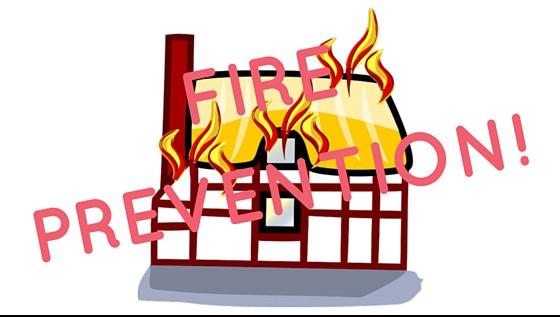
Fire Prevention Now!


Facts about home holiday fires

  • One of every three home Christmas tree fires is caused by electrical problems.
  • Although Christmas tree fires are not common, when they do occur, they are more likely to be serious. On average, one of every 31 reported home structure Christmas tree fires results in a death compared to an average of one death per 144 total reported home structure fires.
  • A heat source too close to the tree causes roughly one in every four of Christmas tree fires.
  • More than half (56 percent) of home candle fires occur when something that can catch on fire is too close to the candle. (Note: the wooden cabinet above your kitchen countertop candle is flammable.
  • December is the peak time of year for home candle-caused fires.

Housefire!

What can you do?

  1. Make sure all your tree ornaments are flame retardant or fireproof.
  2. Check all light strings and if one is broken, do not fix! REPLACE.
  3. Check live tree water three times per day. Dry air? Huge tree? Teensy pan?
  4. Never, ever, ever put lit candles on a tree.
  5. Never sleep or leave the house with the tree lit. If you forget, call a neighbor and ask him or her to turn off those lights. Even if they have to break in, it’s worth it.
  6. Pay attention to candles. Blow them out.

Be safe, friends!


Posted in Health, Who's the mom here?, Wisdom

Are You Preparing to Vaccinate?

Vaccinating?

Our government tells us babies need vaccines to be safe and healthy. The reality is that there is a level of risk in giving vaccines and the CDC is fully aware of the risk. Many parents accept what they are told. Others question. Some families have differing opinions on the need for vaccines with one spouse in favor, and the other opposed.

If you are considering giving your child a vaccine for any reason, please do a few things first:

1. Delay as long as possible. The older a baby is, the better; the heavier a baby is, the better. Vaccines are known to cause more damage to younger and lower  . . .

Read the rest of this highly informative, well-researched and non-combative article here!

Posted in Blessings of Habit, Home School, Inspiring, Who's the mom here?

It’s School Time.

English: Motivations regarded most important f...
Motivations regarded most important for homeschooling among parents in 2007. Source: 1.5 Million Homeschooled Students in the United States in 2007 Issue Brief from Institute of Education Sciences, U.S. Department of Education. December 2008. NCES 2009–030 (Photo credit: Wikipedia)

School is almost upon us for the year. That means it is high time to look at your school choices.

Especially if you are unhappy with your collective school, you need to think about slipping out of that situation and readying yourself and your children for schooling at home. 

I hope you’ve spent quality time thinking about your children and their future. I hope you’ve inspected a bit of curriculum and even used my curriculum guide, which begins here.


You have hardly a month for organizing your life around a new normal.

You need to start now.

Your curriculum company and your children will be grateful if you do not wait until the week before school begins (as too many other people do) to place your order, expecting it to arrive timely. Timely arrival follows timely ordering. Like, hurry…

Okay.

With that in mind, I’d like to direct you to the homeschooling posts on this site, created just for you, for inspiring, motivating, guiding, and helping you make the transition.

Oh, and if you just need a booster and wish someone would give the beginning lectures to you all over again, hey, help yourself to these! You are welcome!

Why we don’t want them there in the first place:

My Sweetest Homeschool Memories; 5 pages!

To help you with inspiration and incentive:

Traditional Education

From Infancy to the Four-Year-Old, begins here and continues for 3 more pages.

To guide your choices and other decisions:

What Homeschooling is Like; 2 pages.

Do NOT Try Homeschooling (a trick title, but you’ll like this); 3 pages.

Is There Life After Homeschool? Yes!

To help figure out what curriculum you need:

A 5-Page Curriculum Guide by an Unbiased Person (me) (I love them ALL! and I am not to be sold.)

Okay. There is a LOT more on this site. Just use my search engine to search “homeschool” and you will find all sorts of help.

Have fun!

And don’t forget: Home’s Cool!

Posted in 'Tis the Season, Health, Tornado Disaster

Do you live where tornadoes happen often?

Tornadoes are extremely rare in Utah, but down...
Tornadoes are extremely rare in Utah, but downtown Salt Lake City was struck by this F2 tornado in 1999, which killed one person. (Photo credit: Wikipedia)

Maybe I should ask, “Do you live in the United States?” because the U.S. has the most tornadoes in the world.

You thought so, didn’t you!

From 1950, when we began to keep official records, here are the 10 states that have the most tornadoes per square mile, in order of greatest to least.

  1. Florida
  2. Kansas
  3. Maryland
  4. Illinois
  5. Mississippi
  6. Iowa
  7. Oklahoma
  8. South Carolina
  9. Alabama
  10. Louisiana

Surprised? Me too. However the states that have the most notorious tornadoes are not all up there and some of the above states have lots of teensy tornadoes that don’t do much. Your highest chances of experiencing the most damaging tornado are in the following five states:

Alabama, Texas, Iowa, Kansas, or Oklahoma
They’re all tied for first.

Scared yet?

Okay, I publish this annually in one form or another, in hopes of allaying some of your anxiety about this life and death topic. This year, it’s just a list of links, but if you search “tornado” in the search window above (click on the magnifying glass for a nice surprise) you will find a few more curiosities on the subject.

Pay attention and live:

How to Prepare for Tornado Weather

Ten Steps to Tornado Safety

Story of My Tornado Experience

Story of a Stranger Who Borrowed Our House in a Tornado

A tornado near Seymour, Texas
A tornado near Seymour, Texas (Photo credit: Wikipedia)