Posted in Believe it or not!, Blessings of Habit, Homemaking, Wisdom, Womanhood

Ten Steps to Tornado Safety


Tornado forming! What to do!

Yesterday I shared my memories of surviving the Ruskin Heights tornado of 1957.

Today I’d like to explain what was wrong with what we did.

  1. Few people took tornadoes as seriously as they should have.
    ALWAYS TAKE A TORNADO SERIOUSLY; IF YOU WANT TO CHASE OR WATCH THEM, GET THE TRAINING, FIRST.
  2. There were very few sirens and they were not systematic in their sounds.
    LEARN WHAT THE VARIOUS TONES AND PATTERNS OF YOUR EARLY WARNING SYSTEM MEAN. ALSO, DEMAND THAT YOUR AREA SOUND SIRENS ONLY FOR EMERGENCIES AND PRESCRIBED TESTING, NOT FOR SETTING CLOCKS OR CELEBRATING.
  3. It was against some law or policy to issue tornado warnings over radio, although a Mr. Audsley did so, that night in 1957, risking his job to save lives.
    ALWAYS LISTEN TO RADIO, OR BETTER YET, TO A DOPPLER-BASED WEATHER RADIO STATION. HAVE A RADIO THAT WORKS DURING BLACKOUTS.
  4. Few people knew what to do. Our hiding under a table was as futile as our running across lawns was dangerous.
    KNOW HOW TO BE SAFE, WHICH PORTIONS OF ANY BUILDING ARE GENERALLY SAFER IN A TORNADO, AND HOW YOU CAN BE SAFER IF CAUGHT OUTDOORS.
  5. We were barefoot or nearly barefoot.
    WHEN YOU REALIZE A TORNADO MAY BE ON ITS WAY, PUT ON YOUR MOST STURDY SHOES AND SOME SOCKS, STURDY JEANS, AND A STURDY SHIRT. MAKE YOUR CHILDREN DO THE SAME.
    Although helmets for children were not available over 50 years ago, today we also should store helmets in the basement or safe place during tornado weather, one for each family member.
  6. Many people were caught bathing.
    NEVER BATHE DURING LIGHTNING OR TORNADOES.
  7. Although Kansas and Missouri are notorious, worldwide, for hosting tornadoes, few people were ready with a plan and supplies.
    WE HAVE LEARNED HOW TO FACE TORNADOES WITH PREPAREDNESS. RENEW YOUR PREPAREDNESS PLAN AND SUPPLIES AT LEAST EVERY SPRING.
  8. We were shocked at the far-reaching effects.
    TEN STEPS TO TORNADO SAFETY What to do when a tornado is coming.DEBRIS CAN LAND ANYWHERE. WATCH OUT FOR FALLING DOORS, TRICYCLES, ETC.
  9. People were injured by the aftermath.
    DO NOT TOUCH DOWNED WIRES OR GO NEAR THEM—ELECTRICITY CAN JUMP. IF YOU SMELL GAS, EVACUATE IMMEDIATELY AND DO NOT LIGHT OR START ANYTHING OR CAUSE ANY SPARKS, EVEN ELECTRIC SPARKS. DO NOT GO INTO WRECKED BUILDINGS WITHOUT HEADGEAR. ETC.
  10. Although phones were different back then and most were down, today we must:
    MAKE ONLY ONE PHONE CALL TO AN OUTSIDE FRIEND OR RELATIVE AND ASK HIM OR HER TO FORWARD YOUR STATUS. LEAVE THE LINES OPEN FOR THOSE WHO NEED EMERGENCY CARE.
More tomorrow.

Posted in Believe it or not!, Homemaking

Six Steps to CFL Safety

Ban the Bulb?
Ban the Bulb?

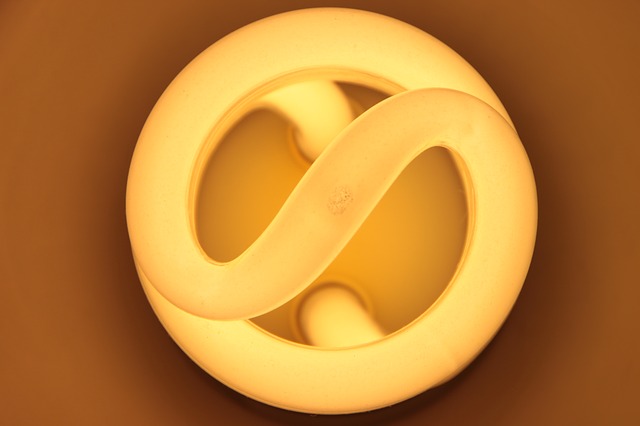
Have you ever broken one of the new twisty light bulbs? You know, the ones that cost so much you hate to break one? It is so easy to do because the glass is so delicate.

I don’t have any of those in my house because when real light bulbs started to become scarce, I  bought up a bunch of them. Then, when folks began to squawk and they started making real ones over again, I bought a bunch more.

But I don’t mind using sunlight or oil lamps or candles–not at all.

those blinkin’ lights!

The main reason I will not install a fluorescent light in my house is that they blink.

Blinking light decreases your attention span and slows your reading.  Think of them as a sort of “light pollution”, as are TVs and computer screens. They effect the ability to think. For some people, especially young children, this effect is drastic, shutting down straight-line thinking almost completely. No child should study under a fluorescent.

So, as a source of light in a homeschooling home, they are a failure, in the first place. The rooms in our house with long-bulb fluorescents installed by the builder were never used for children doing schoolwork. In fact, one of my children asked not to use that room, which woke me up to the real problems inherent here. (I had not been noticing, but he had.)

caution! poison!

The other reason is their toxicity. The bulbs contain powdered mercury, which can kill. Add to it the fact that these light bulbs are extremely easy to break–far easier than the old enormous tubes–and you have a recipe for disaster, something that definitely should be labeled “keep out of child reach”.

now for the safety rules:

If you have one, though, you must memorize a long list of protocol for how to survive the experience of breaking one, with your health intact. If you want, why not print this list and post inside your broom closet? Here is what you have to do and why:

  1. Most important: open a window for at least 15 minutes before beginning cleanup. The bulbs contain powdered mercury, which is extremely toxic, and we must not breathe it. Mercury poisoning can kill. Opening the windows is essential to safety, even during rain or cold weather. (Who knows what it does for the birds and butterflies?)
  2. Do NOT handle the pieces with bare hands; wear disposable rubber or latex gloves. A cut from glass coated with this fine powder would also poison.
  3. Place the pieces into a plastic bag, and then into another one, and use duct tape to pick up the tiny fragments. A paper bag could allow fine particles of mercury to escape.
  4. Wipe the area clean with damp paper towel and place the towels in the bag, too. Damp toweling would most safely collect the finest particles, which might even be invisible but would probably cling to the damp towel.
  5. If the bulb broke over carpet, you’ll have to vacuum the carpet, but you must immediately remove the vacuum bag (or empty and wash or wipe out the canister) and put the vacuum bag in with the other CFL trash.
    Vacuuming is the only way to remove most of the fine mercury particles and remaining glass hazards from carpet (there is no way to remove all the mercury), but it is totally unsafe to breathe in the same room while you do so. Go outdoors to take deep breaths and then hold your breath, enter, and vacuum until you need to breathe again. Repeat. Vacuuming would be foolhardy on hard surfaces, and could easily spread the dust more, if using a multi-surface upright.
    You also must not breathe while emptying the bag and wiping out the canister. Also, you should wipe out the insides of your vacuum even if you do have a bag to throw away. Of course, you should shower and shampoo thoroughly, afterwards. You probably should also immediately launder the clothing you are wearing, in a separate wash load and machine dry them, taking precautions that the dryer does not vent near any pets, children’s play areas, or edible plant materials.
  6. Check with your trash company or recycling center for specific disposal directions. Usually, fluorescent bulbs can be put in the trash or taken to the dump if your state and local regulations allow, but please call your trash or recycling company. Do not ask them about your broken CFL; ask them about mercury toxic waste disposal or about recycling mercury. Few people, even professionals, make this connection, otherwise. If you receive permission to throw away your CFL, please label it clearly to avoid accidentally poisoning the trash pickup personnel.

There you have it: why I don’t use CFL’s and what to do if you do use them.

Have fun.