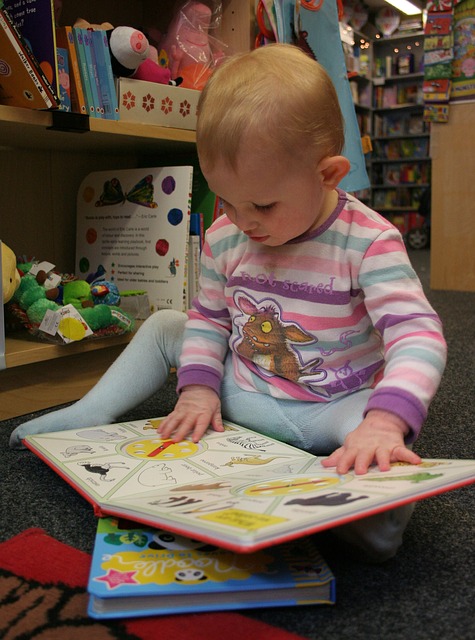
 Our firstborn son was bookish. From an early age, he could “read” himself to sleep. (They were pre-school picture books.) He loved lining toys in rows and dressing like and imitating his daddy. He was a visual learner.
My friend had two boys who disliked reading, although they loved a good story and she could hold them enthralled for hours if she read to them. Having difficulties with bookwork, they aced the hunter-education class, which was all lecture. They were auditory learners, picking up most input through the sense of hearing. Which explains why her sons could hear Mom calling for chores better than mine could?
Some children love to learn by touch. They love science experiments, lap books, and many other sorts of projects, whereas my kids cringed at them, resented the time they seemingly wasted. Math manipulatives greatly help tactile learners, even if it’s just Popsicle sticks. Coloring a picture of a horse can teach them more than hearing or reading a description of one, but riding a horse will teach even more.
I had one child who learned the most by talking about it. Oh, he could read okay, but until he reproduced what he had learned, his lesson was not done. He was one who also learned better when moving, so when he bogged down as an older child, he would slide over the piano and pound out some Rachmaninoff and then could study better. And then he proceeded to become a computer whizz.
What lesson do WE learn from these learners?
- All of our children may look alike, but have extremely different insides.
- Our daughters may look like us but have their dad’s personalities.
- A perfectly excellent curriculum may not work for one child as well as it did for the others.
- Einstein and Edison could both be immensely successful, although one was bookish and the other was not.
- Institutionalized teaching of scores of children via the same methods will never work.
All of which statements are another good reason to homeschool.


 Home's Cool!